
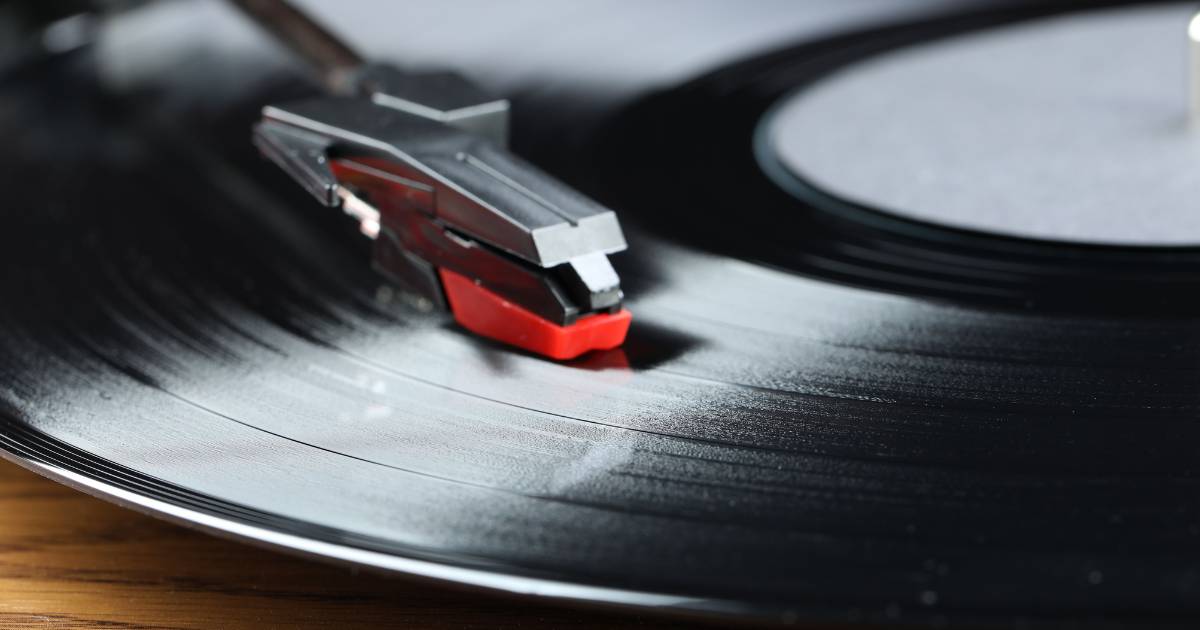
If you’ve owned vinyl records for any length of time, you’ve probably touched the grooves at least once. It might have happened while sliding a record out of a snug inner sleeve, flipping it on the turntable, or catching it mid-air when it started to slip. Most of the time, it’s accidental and brief, but it’s usually followed by the same thought: did I just ruin this record?
The advice around touching grooves can be confusing. Some collectors treat it as an absolute rule, warning that any contact will permanently damage a record. Others shrug it off as inconsequential. Neither view is particularly helpful on its own. Records are resilient in some ways and sensitive in others, and understanding where that line actually sits makes a big difference in how they age.
What matters most is not whether contact ever happens, but how often it happens and under what conditions. Clean hands, quick contact, and good handling habits generally pose little risk. Repeated touching, oily residue, and careless handling can quietly cause problems over time, even if the record still looks fine at first.
This article takes a practical look at what really happens when grooves are touched. It breaks down when contact is harmless, when it contributes to long-term wear, and how simple handling habits can reduce risk without turning record ownership into something stressful or rigid.
What Happens When You Touch A Record’s Grooves
When you touch the grooves of a vinyl record, the most immediate thing you leave behind is not damage, but residue. Skin naturally carries oils, moisture, and microscopic debris, even when hands look clean. That residue transfers easily to the groove surface because vinyl is smooth and slightly static-prone.
On its own, a fingerprint does not gouge or deform the grooves. The vinyl does not suddenly wear down from a single touch. The issue is what that residue does afterward. Oils create a tacky surface that attracts dust from the air, and once dust settles into an oily patch, it is more likely to stay there.
During playback, the stylus passes directly through those areas. Fine particles stuck to oily residue can be pushed deeper into the groove, where they become harder to remove with light cleaning. Over time, this can contribute to increased noise or uneven playback, even though the record still looks visually fine.
Moisture plays a role as well. Small amounts of moisture from skin are not harmful on their own, but when combined with dust and environmental contaminants, they can encourage buildup rather than letting particles fall away naturally. This is why repeated touching in the same areas, such as near the lead-in or outer edge, tends to cause more noticeable issues over time.
In short, touching the grooves does not cause instant damage, but it changes the surface in ways that make contamination more likely. The real risk comes from repetition and what happens after contact, not from a single brief mistake.
How Handling Habits Affect Long-Term Record Wear
Most long-term record wear does not come from a single mistake. It comes from small habits repeated over years of ownership. Touching the grooves once in a while is rarely the issue. Reaching into the same areas every time, gripping records without thinking, or handling them quickly and casually is where problems start to accumulate.
The outer edge and lead-in area tend to take the most abuse because they are the easiest places to grab a record. Over time, repeated contact in those spots leaves behind more residue, which attracts dust and debris during storage and playback. Even when records are cleaned occasionally, those high-contact areas tend to degrade faster than the rest of the surface.
Consistent edge handling makes a noticeable difference. Supporting a record by the edge and label minimizes contact with the grooves and keeps oils away from the most sensitive areas. These habits do not require perfection, just awareness. Over time, they reduce how often records need cleaning and help preserve consistent playback.
Handling also affects how records are stored and returned to sleeves. Sliding a record in or out without guiding it properly increases the chance of brushing against the grooves. Learning a few simple handling techniques, like those outlined in How to Properly Handle Vinyl Records Without Causing Wear, helps reduce unnecessary contact without slowing down the listening experience.
In the long run, careful handling does not mean being rigid or afraid of touching records. It means developing habits that make accidental contact less frequent and less consequential over time.
The Role Of Dust And Debris In Groove Damage
Dust and debris are where most long-term groove damage actually begins. On their own, small particles sitting on a record surface are usually harmless. The problem starts when those particles are pulled into the grooves and repeatedly dragged through them during playback.
Skin oils from handling make this more likely. Residue left behind in the grooves acts like a magnet for airborne dust, increasing the amount of debris that sticks instead of falling away. Once playback begins, the stylus encounters that debris and can push it deeper into the groove walls, where it becomes harder to remove and more likely to cause wear. This process is explained in more detail in How Dust and Debris Cause Long-Term Groove Damage, particularly in how repeated playback compounds the effect.
As debris moves through the grooves, it acts like a very fine abrasive. Over time, this can dull high-frequency detail and increase surface noise. The change is usually gradual, which is why it often goes unnoticed until a record no longer sounds the way it used to.
This is also why records that are frequently touched but rarely cleaned tend to age poorly. The combination of residue, dust, and repeated playback creates conditions where contamination does more harm than brief contact ever could on its own.
Keeping dust and debris under control through careful handling and selective cleaning does more to protect grooves than obsessing over occasional fingerprints. The goal is to prevent contaminants from becoming part of the playback process, not to eliminate every trace of contact.
When Touching The Grooves Actually Causes Problems
Touching the grooves becomes a real issue when it happens frequently or carelessly, not when it happens once by accident. Most damage comes from patterns, not moments.
Repeated contact in the same areas is one of the biggest risks. The outer edge and lead-in groove are handled most often, and oils tend to build up there over time. Even light contact, when repeated, creates conditions where dust sticks more easily and contamination becomes harder to remove. This is why some records develop noise near the beginning of a side long before the rest of the record shows any problems.
Cleanliness matters as well. Touching grooves with clean, dry hands is far less harmful than touching them after handling food, lotions, or other substances. Oils and residues transfer quickly and do not always come off with light cleaning. The more complex the residue, the more likely it is to trap debris and interfere with playback.
Situational handling also plays a role. Grabbing a record quickly, adjusting it on the platter, or flipping sides in poor lighting increases the chance of sliding fingers across the groove surface. These moments add up, especially when they become routine rather than occasional.
In contrast, brief accidental contact that is followed by normal handling and proper storage rarely causes noticeable harm. Records are not ruined by a single touch. Problems arise when touching the grooves becomes part of how a record is handled every time it is played.
Understanding that distinction helps reduce anxiety around vinyl care. The goal is not to eliminate all contact, but to avoid repeated, careless contact that quietly increases wear over time.
What Damage Can And Cannot Be Reversed
One reason touching the grooves causes so much concern is that not all record damage behaves the same way. Some issues are temporary and respond well to cleaning, while others are permanent and cannot be undone once they occur.
Residue from fingerprints, dust buildup, and light contamination fall into the preventable category. When oils and debris sit on the surface or in the grooves, they often cause noise, distortion, or static-related issues that improve with proper cleaning. These problems can sound serious at first, but they are usually reversible if addressed early and handled carefully.
Physical groove wear is different. Once the groove walls are worn down or deformed, no amount of cleaning can restore the original shape. This kind of damage typically comes from repeated abrasion over time, often caused by debris being dragged through the grooves during playback. Understanding this difference is key, and it is explored more fully in What Vinyl Record Damage Is Permanent vs Preventable?, especially when deciding whether cleaning is likely to help or simply add more handling.
This distinction matters because it affects how records should be treated after contact. A record that has been briefly touched but still plays cleanly does not require aggressive intervention. Overreacting in those cases can introduce more risk than the original contact ever did.
Knowing what can and cannot be fixed helps shift the focus away from panic and toward informed care. Preventable issues respond well to restraint and good habits. Permanent damage is best avoided through careful handling before it ever happens.
Final Thoughts
Touching the grooves of a vinyl record is not ideal, but it is also not the disaster it is sometimes made out to be. Records are affected more by repeated habits than by isolated mistakes. Understanding that difference helps keep record care grounded and practical.
Clean handling, thoughtful storage, and awareness of how dust and debris behave do more to protect grooves than constant worry about brief contact. When accidental touching happens, responding calmly and returning to good habits is usually enough.
Over time, records reflect how they are treated overall. Consistent, careful handling reduces the chances that small issues turn into permanent damage. Vinyl care works best when it supports listening, not when it turns ownership into something rigid or stressful.