
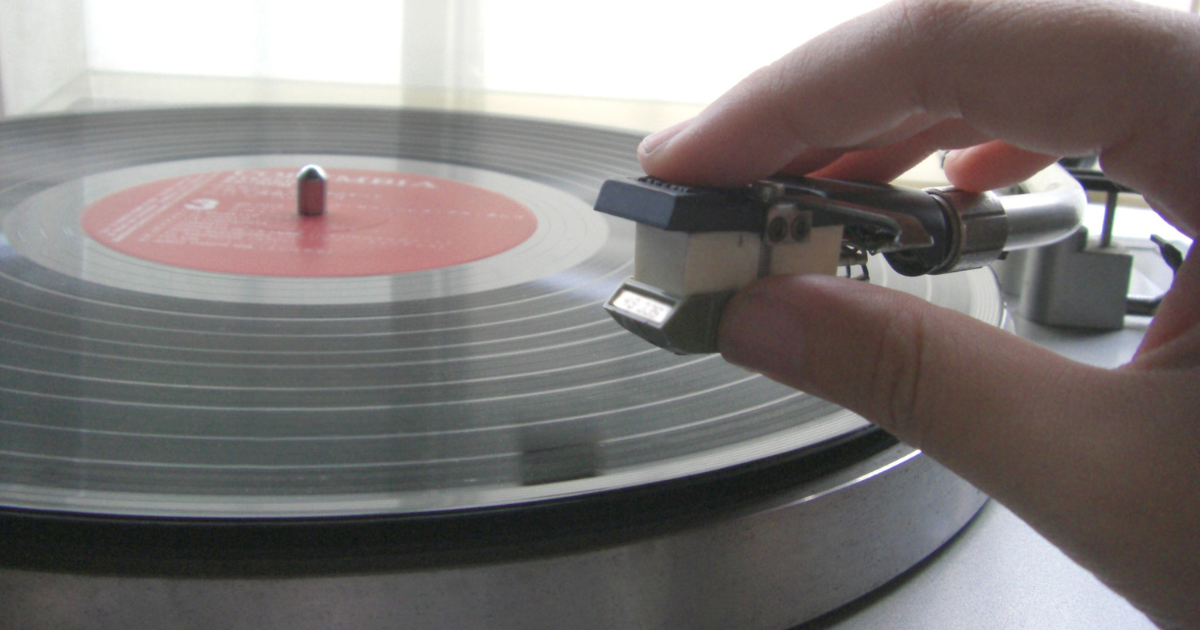
For a long time, I assumed that careful playback was the main factor in preserving records. As long as the stylus was clean and tracking properly, I did not worry much about how records were handled the rest of the time. Picking them up, sliding them in and out of sleeves, or moving them between shelves felt harmless by comparison.
That assumption did not hold up.
Over time, subtle wear began to show on records that were rarely played but frequently handled. Light marks near the edges, increased dust attraction, and occasional noise appeared on albums that had never seen heavy use. The common factor was not playback, but routine handling.
Most handling damage does not come from obvious mistakes. It comes from small shortcuts taken hundreds of times. Touching the wrong area for just a moment, dragging an edge across a sleeve, or setting a record down carelessly all introduce tiny stresses that add up over years.
This article focuses on how to handle vinyl records in ways that minimize that cumulative wear. The goal is not to turn handling into a rigid ritual, but to understand which habits quietly cause damage and which ones help records age cleanly over time.
Why Handling Matters More Than Most Collectors Think
Handling affects vinyl every time a record leaves or returns to its sleeve, even if it is never played. Unlike playback wear, which is influenced by stylus condition and setup, handling wear is almost entirely behavioral. It comes from how records are touched, supported, and moved during normal use.
The vinyl surface is more sensitive than it looks. Oils from skin, fine dust, and microscopic debris transfer easily during handling and do not always cause immediate, visible damage. Instead, they change how the surface interacts with air, sleeves, and the stylus later on. This is why records can look clean yet slowly develop noise or require more frequent cleaning over time.
Handling wear also tends to be inconsistent, which makes it harder to notice. A record might be handled carefully most of the time, but one rushed movement can introduce debris or pressure in exactly the wrong place. Because these moments are brief, they are easy to forget, even though their effects linger.
Another reason handling matters is frequency. Many records are handled far more often than they are played. Pulling albums from shelves, inspecting them, cleaning them, or reorganizing storage all involve contact. Each interaction carries a small risk, and over years, those small risks accumulate into measurable wear.
Understanding handling as a cumulative process helps explain why careful playback alone is not enough. Preserving vinyl requires minimizing unnecessary contact and reducing the chances that routine movements turn into long-term damage.
The Risks of Touching the Playing Surface
Touching the playing surface of a record introduces risks that are often delayed rather than immediate, which is why the habit can feel harmless. Fingers rarely leave obvious marks right away, but they transfer substances that change how the surface behaves over time.
Skin oils are the biggest issue. Even clean hands carry natural oils and salts that spread easily across vinyl. These residues attract dust and airborne debris, which then settle deeper into the grooves. Once contaminants combine, they are harder to remove with normal cleaning and more likely to be dragged by the stylus during playback.
Fingerprints also create uneven surface conditions. Areas that have been touched collect dust faster and can dry differently after cleaning, leaving behind faint residue patterns. This inconsistency increases noise and wear over repeated plays, even if the record is otherwise well cared for.
Another problem is pressure. Fingers resting lightly on the surface still apply force across multiple grooves at once. While this pressure may not deform the vinyl, it can push fine debris into the groove walls, where it becomes more abrasive during playback.
Because the effects are gradual, many collectors underestimate the risk. Avoiding groove contact entirely is one of the simplest ways to reduce long-term wear. For a deeper explanation of why this matters and when contact becomes harmful, see Is It Bad to Touch the Grooves of a Vinyl Record?
How Dust and Debris Turn Handling Into Groove Damage
Dust and debris are rarely a problem on their own. They become damaging when they are moved across the record surface during handling. Every time a record is slid into or out of a sleeve, or placed on a turntable, small particles can be dragged through the grooves.
Much of this debris is introduced unintentionally. Handling transfers dust from shelves, sleeves, and hands onto the record surface. Even clean-looking sleeves can hold fine particles that shift during insertion and removal. When a record is pulled out at an angle or pressed against the sleeve opening, those particles scrape along the groove walls.
The reason this matters is scale. Groove walls are extremely fine, and particles that feel soft or insignificant to the touch can act like abrasives at that level. Repeated movement of debris does not usually cause immediate audible damage, but it gradually polishes and wears the groove walls, reducing detail and increasing surface noise.
Debris also becomes a problem during playback. Particles introduced through handling are picked up by the stylus and dragged repeatedly through the same grooves. This multiplies the damage far beyond the original handling event. What started as a small bit of dust becomes a recurring source of wear until it is removed.
This is why clean handling and clean storage are closely linked. Reducing how much debris is transferred during handling lowers the amount of wear that occurs later during playback. For a deeper look at how this process works and why it is so destructive over time, see How Dust and Debris Cause Long-Term Groove Damage.
Proper Techniques for Removing Records From Jackets
Most handling-related wear begins at the moment a record is removed from its jacket. Tight openings, rushed movements, and poor grip choices turn a simple action into a source of repeated surface contact.
The safest approach is to support the record by the edge and label area only. Slide the inner sleeve partway out of the jacket first, then gently tip the sleeve so the record rests against your hand. From there, let the record slide out under its own weight while keeping fingers away from the playing surface.
Avoid pinching the record through the sleeve opening. Grabbing at the exposed edge or pressing fingers into the surface to gain leverage almost always drags debris across the grooves. If the sleeve is tight, take the extra moment to widen the opening rather than forcing the record out.
Orientation matters. Holding the sleeve horizontally and allowing the record to slide out sideways increases the chance of scraping. Keeping the sleeve slightly angled downward allows gravity to help while reducing friction along the surface.
If resistance is felt, stop. Resistance usually means the sleeve opening is catching the record edge or debris is present. Forcing the movement is one of the most common causes of light sleeve marks and edge scuffs.
Removing records slowly and deliberately feels inefficient at first, but it dramatically reduces accidental surface contact. Over years of ownership, this small change prevents a surprising amount of cumulative wear.
Proper Techniques for Placing Records on the Turntable
Placing a record on the turntable is another moment where small handling habits make a big difference. Most wear introduced at this stage comes revealed from rushing or supporting the record unevenly.
Always support the record with two hands, holding it by the outer edge and the labeled area. This keeps fingers away from the grooves and prevents the record from flexing. Flexing increases the chance of accidental surface contact and makes it harder to lower the record cleanly.
Lower the record straight down onto the spindle rather than angling it in. Angled placement can cause the edge to scrape against the platter surface or label area, especially on felt mats that hold dust. A clean, vertical motion minimizes contact and keeps debris from being dragged across the underside.
Avoid setting records down on nearby surfaces before playback. Placing a record briefly on a table, shelf, or turntable lid introduces dust that will immediately be picked up during play. If a record must be set down, ensure the surface is clean and free of debris, and keep contact to a minimum.
During cueing and side changes, resist the urge to steady the record with a finger near the grooves. Use the cueing lever and handle the record only by the edge when flipping. Small touches during these moments are easy to forget but contribute to long-term wear.
Placing records carefully takes only a few extra seconds, but it prevents many of the handling errors that quietly add up over time.
Returning Records to Sleeves Without Introducing Wear
Putting a record away is often treated as the least risky part of handling, but it is where many small mistakes happen. Fatigue, distraction, or rushing at the end of a listening session can undo otherwise careful habits.
Before returning a record to its sleeve, make sure the sleeve opening is fully accessible. Trying to guide a record into a partially collapsed or misaligned sleeve increases the chance of edge drag and surface contact. Take a moment to square the sleeve and, if needed, gently widen the opening.
Use gravity and alignment rather than pressure. Hold the record by the edge and label, align it with the sleeve opening, and allow it to slide in smoothly. Pushing or forcing the record increases friction and can scrape debris along the grooves. If the record resists, stop and realign rather than applying more pressure.
Be mindful of sleeve orientation inside the jacket. Inserting the sleeve upside down or at an angle often causes the record edge to catch on the jacket opening. Keeping the sleeve opening aligned consistently reduces repeated edge contact over time.
Avoid sliding records back into jackets at an angle. Angled insertion drags the edge against the sleeve interior and jacket seam, which is one of the most common causes of light sleeve marks. A straight, controlled motion minimizes surface interaction.
Returning records calmly and deliberately closes the handling loop safely. Most handling damage happens when attention drops at the end of the process. Slowing down during this final step helps ensure that careful handling carries through from start to finish.
Common Handling Mistakes That Cause Long-Term Wear
Most long-term handling damage does not come from obvious mishaps. It comes from habits that feel efficient or harmless in the moment but introduce repeated, low-level stress to the record surface.
One common mistake is holding a record flat in one hand. This often leads to fingers drifting toward the grooves for balance, especially with heavier pressings. Supporting a record this way also increases flex, which makes accidental contact more likely during movement.
Temporary stacking is another frequent issue. Setting records on top of each other, even briefly, transfers dust and debris between surfaces. When the records are picked up again, that debris is easily dragged across grooves. Stacking also encourages grabbing records by the surface rather than the edge.
Handling records near food, drinks, or dusty areas increases risk more than many collectors realize. Airborne particles, moisture, and oils settle quickly on exposed vinyl. Even short exposure can introduce contaminants that later become abrasive during playback.
Overconfidence with “clean-looking” records is another trap. A record that appears spotless can still carry fine debris or residue. Touching the surface because it looks clean often leads to fingerprints that attract dust and undo previous cleaning efforts.
These mistakes are easy to make because they save time. The cost only becomes apparent later, when records begin to show increased noise or visible wear without a clear cause. Identifying and eliminating these habits reduces cumulative damage more effectively than almost any other handling change.
Building Long-Term Handling Habits That Preserve Records
Good handling is not about perfection. It is about consistency. Records that are handled the same careful way every time age far better than records that are handled carefully most of the time and rushed the rest of the time.
The most effective habit is slowing down routine actions. Taking an extra second to align a sleeve, adjust your grip, or clear a surface before setting a record down prevents the majority of handling-related wear. These pauses feel minor, but they remove the moments where mistakes usually happen.
Consistency also means developing default hand positions. Always gripping records by the edge and label reduces decision-making and lowers the chance of accidental groove contact. When handling becomes automatic, it is easier to stay careful even when distracted or tired.
Handling should be viewed as part of a larger care system rather than a standalone task. Clean sleeves, dust-free storage, and sensible spacing all make careful handling easier. When the environment supports good habits, fewer corrections are needed during each interaction.
Long-term preservation is built from small, repeatable actions. Handling records well does not require special tools or rigid rules. It requires understanding where wear comes from and shaping habits that quietly avoid it. For a broader perspective on how handling fits into overall care, see Best Long-Term Habits for Preserving a Vinyl Record Collection.
Final Guidance on Handling Vinyl Without Causing Wear
Handling vinyl records safely is about reducing cumulative risk, not eliminating every possible mistake. Most wear does not come from dramatic errors. It comes from small, repeated actions that slowly change how a record’s surface behaves over time.
The safest approach is simple and repeatable. Touch records only by the edge and label, move them deliberately, and avoid letting dust or debris get dragged across the grooves during routine handling. Slow, aligned movements matter far more than elaborate rituals or specialized tools.
Good handling habits work best when the environment supports them. Clean sleeves, reasonable shelf spacing, and uncluttered playback areas reduce the need for rushed or awkward movements. When storage and handling work together, records naturally experience less stress.
Handling should feel calm, not cautious. Once good habits become automatic, they stop feeling like extra effort and start feeling normal. Records handled this way tend to stay quieter, cleaner, and more consistent over decades of ownership.
The goal is not perfection. It is consistency over time. Minimize unnecessary contact, avoid shortcuts that drag debris across the surface, and let careful handling quietly do its work in the background. That is how vinyl ages well.