

Inner sleeves were one of the last vinyl accessories I took seriously, mostly because they feel invisible when everything is going right. For a long time, I left records in whatever paper sleeve they came with, assuming that careful handling mattered more than what sat between the grooves and the jacket. It was only after revisiting older records, especially ones that had been stored untouched for years, that I started noticing patterns I could not ignore.
Paper sleeves that looked fine on the outside often left behind fine dust, light scuffs, or static crackle that was not there when the record was first shelved. In a few cases, pulling a record out felt gritty, like the sleeve itself had become part of the problem. None of this ruined a record outright, but it chipped away at the quiet playback and clean surfaces I was trying to preserve.
Switching to better inner sleeves did not make my records sound magically better overnight. What it did was remove a slow source of wear and contamination. Records slid in and out more smoothly. Static became easier to manage. Most importantly, I stopped feeling like storage itself was working against me.
This guide is written for collectors who care less about accessories as upgrades and more about avoiding long-term mistakes. Inner sleeves are not exciting, but they are one of the few things that touch your records every single time you play them. Choosing the right ones is less about brand loyalty and more about understanding materials, fit, and how records actually age in real homes.
Quick Recommendations
If you just want a solid answer without overthinking materials and tradeoffs, these are the inner sleeves that consistently make sense for long-term vinyl preservation. Each option below fills a slightly different role, depending on how large your collection is and how careful you want to be with older records.
Best Overall for Long-Term Preservation | Hudson Hi-Fi Anti-Static Vinyl Record Inner Sleeves
A dependable balance of smooth insertion, anti-static protection, and consistent sizing. These are easy to live with day to day and work well for mixed collections that include both newer pressings and older records.
Best Value for Everyday Use | EVEO 50 Vinyl Inner Sleeves for Vinyl Records
A practical upgrade from paper sleeves without drifting into premium pricing. These are a good fit if you are replacing sleeves across a growing collection and want reliable protection without obsessing over every record.
Best Budget-Friendly Bulk Option | Big Fudge 12″ Vinyl Record Inner Sleeves
An affordable step up from stock paper sleeves. These are best suited for newer records or collections where reducing dust and friction matters more than maximum static control.
Best Premium Feel and Build Quality | Boundless Audio Vinyl Record Sleeves
Smoother materials and better structure make these appealing for collectors who handle records often and want sleeves that hold their shape over time.
Best for Fragile or Older Records | 50 Master Rice Paper Anti Static LP Inner Sleeves
Designed for collectors who are especially cautious with older or more delicate records. These focus on reducing friction and static as much as possible during repeated handling.
Buyer Education: Choosing Inner Sleeves for Long-Term Storage
Inner sleeves matter because they are in constant contact with the record surface. Every time a record is removed or returned, the sleeve either protects the grooves or slowly contributes to wear, static, and contamination. While damage from inner sleeves is usually gradual, it adds up over years of normal use and storage.
For collectors who are unsure whether upgrading sleeves is even necessary, it helps to understand the role they play in everyday handling. Inner sleeves are not just storage accessories. They control friction, limit dust transfer, and influence how much static builds up on the record surface. This is why many collectors eventually ask Are Inner Sleeves Necessary for Vinyl Records? once they start noticing recurring dust or static issues.
Material Matters More Than Branding
The most important decision when choosing inner sleeves is material. Paper sleeves are common because they are inexpensive and familiar, but they shed fibers over time and can trap fine debris. As records slide in and out, that debris can create light surface scuffs or audible noise, even if the record is otherwise well cared for.
Polyethylene and multi-layer sleeves reduce friction and do not shed fibers the way paper does. Many modern sleeves combine a thin paper core with poly lining to balance structure and smoothness. If you want a deeper breakdown of these tradeoffs, Paper vs Poly Inner Sleeves: Which Is Safer for Long-Term Storage? covers where each option works and where it can fall short.
Static Control Is Not Optional
Static is one of the most underestimated long-term risks. Static attracts dust, makes records harder to handle, and increases the chance of dragging particles across the grooves. Anti-static materials do not eliminate static entirely, but they significantly reduce how much builds up during handling and storage. This matters even more in dry climates or homes with forced air heating.
Collectors often notice that switching to anti-static sleeves does not just reduce crackle during playback. It also makes records easier to handle, since they slide out smoothly instead of clinging to the sleeve.
Fit and Flexibility Affect Handling
Inner sleeves should fit snugly inside the jacket without bunching or folding. Sleeves that are too stiff can crease over time, while sleeves that are too flimsy can collapse and make reinserting records awkward. Both situations increase the chance of accidental scuffs.
A good inner sleeve keeps its shape just enough to guide the record back in without resistance. This becomes especially important for gatefolds and tightly packed shelves.
Knowing When to Replace Old Sleeves
Even high-quality sleeves are not permanent. Over time, sleeves can warp, tear, or accumulate residue from repeated handling. Older paper sleeves are especially prone to becoming abrasive as they age. If you are unsure whether existing sleeves are still doing their job, When Should You Replace Old Inner or Outer Sleeves? outlines the signs that it is time to upgrade.
Choosing the right inner sleeve is less about chasing perfection and more about removing quiet sources of wear. Once you understand how materials, static control, and fit work together, product differences become much easier to evaluate.
Product Reviews: Inner Sleeves
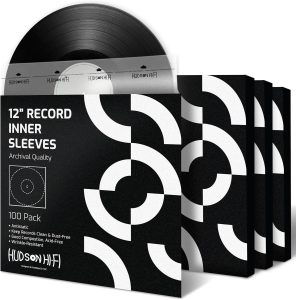
Hudson Hi-Fi’s anti-static inner sleeves are a strong all-around choice for collectors who want reliable protection without overthinking materials or construction. These sleeves strike a practical balance between smooth handling, consistent sizing, and static reduction, which is why they tend to work well across mixed collections that include both newer pressings and older records.
In day-to-day use, the most noticeable benefit is how easily records slide in and out. The material feels smooth without being flimsy, which reduces friction when handling the record edge and minimizes the risk of dragging dust or debris across the grooves. This alone makes them a meaningful upgrade from standard paper sleeves, especially for records that are played frequently.
Static control is another area where these sleeves perform well. While no sleeve can eliminate static entirely, Hudson Hi-Fi’s anti-static material noticeably reduces buildup during removal and reinsertion. Records are less likely to cling to the sleeve or attract loose dust, which helps keep surfaces cleaner between plays. This is particularly helpful in drier indoor environments where static tends to be more persistent.
Fit and structure are also consistent. The sleeves hold their shape well enough to guide the record back into the jacket without collapsing, which reduces awkward handling. They fit comfortably inside standard jackets without bunching, making them suitable for tight shelves and gatefolds alike.
These sleeves are best for collectors who want a dependable, low-maintenance option that works across most of their collection. They are not positioned as a luxury or specialty sleeve, but they do a very good job of removing common storage and handling issues that quietly contribute to long-term wear. For most collections, they represent a sensible baseline for preservation rather than an upgrade reserved only for prized records.
Best Value for Everyday Use
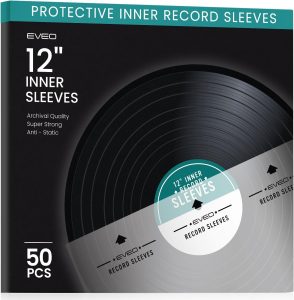
EVEO’s inner sleeves are aimed squarely at collectors who want to move beyond paper sleeves without committing to higher-priced, premium options. They offer a noticeable improvement in handling and cleanliness while staying approachable for anyone upgrading sleeves across a larger collection.
The first thing that stands out is how much smoother these sleeves feel compared to standard paper. Records slide in and out with far less resistance, which helps reduce the small handling stresses that can add up over time. While the material is thinner than some premium sleeves, it is still smooth enough to minimize friction and avoid the gritty sensation that often comes from aging paper.
Static reduction is present, though it is more moderate than what you would expect from higher-end anti-static designs. These sleeves help prevent extreme static buildup, but they may not fully eliminate clinging in very dry environments. For most everyday listening setups, however, they do a good job of keeping dust attraction manageable and playback surfaces cleaner between cleanings.
In terms of fit, EVEO sleeves are flexible and easy to work with. They conform well inside standard jackets and do not bunch or crease easily when shelved. This flexibility makes them forgiving during reinsertion, especially for collectors who handle records frequently or do not want to fight with overly stiff sleeves.
These sleeves are best suited for everyday records that see regular use, newer pressings, or collections where replacing every sleeve at once is the goal. They may not be the top choice for particularly fragile or irreplaceable records, but they offer a strong value for reducing dust, friction, and general wear without overpaying. For many collectors, EVEO sleeves strike the right balance between protection and practicality.
Best Budget-Friendly Bulk Option
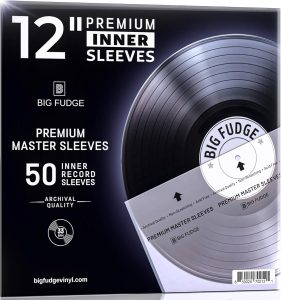
If you’re replacing paper sleeves on a larger number of records without wanting to stretch your budget, Big Fudge’s inner sleeves offer a straightforward, no-frills solution. They are a clear step up from stock paper sleeves and make sense when your priority is reducing dust and surface friction across a broad collection rather than chasing premium materials.
In everyday handling, the texture of these sleeves feels smoother than basic paper, which helps records slide in and out with less resistance. This can significantly cut down on the tiny surface scuffs that accumulate over repeated plays when sticking with stock sleeves. They don’t have the ultra-slick feel of higher-end options, but they are easy to work with and forgiving during regular use.
Static control with Big Fudge sleeves is moderate. They are better than paper at mitigating static cling, but they don’t provide the same level of static reduction that dedicated anti-static materials do. In most homes with normal humidity, this is adequate for keeping dust attraction down and making routine playback easier. If you live in a very dry environment, you may still notice some static buildup, especially as records are pulled in and out.
Fit and flexibility are practical for everyday shelving. The sleeves generally conform nicely to standard jackets without wrinkling or bunching, which helps maintain consistent handling and reduces frustration during reinsertion. This makes them a decent choice for collections where ease of use matters as much as protection.
These sleeves are especially well-suited for casual collectors, newer records, or situations where you want to upgrade a large number of albums without spending on premium anti-static alternatives. They are not the top choice for especially fragile or valuable records, but they offer solid protection compared with stock paper sleeves and a wallet-friendly way to improve your collection’s long-term care.
Best Premium Protection

Boundless Audio’s inner sleeves are designed for collectors who handle records often and want sleeves that feel sturdy, smooth, and durable over the long haul. They sit in a higher tier than basic poly or value sleeves, with a build quality that aims to combine gentle handling with effective static control.
One of the first things you’ll notice with these sleeves is the material’s feel. It has a smoother, slightly more substantial texture than many budget or mid-range options. This smoother surface helps reduce friction even more than typical poly sleeves, which means every time you pull a record out or slide it back in, there’s less opportunity for microscopic particles to drag across the grooves. Over time, that quiet reduction in friction can make a noticeable difference in surface cleanliness.
Static control with Boundless Audio sleeves tends to be more robust than lower-cost alternatives. These sleeves help minimize static charge buildup during repeated handling, which not only keeps dust attraction down but also makes records easier to maneuver. In homes with drier air or forced-air heating, this quality makes a bigger difference, especially for records that are played frequently.
Fit and structure are also strong points. These sleeves hold their shape in a way that guides the record smoothly back into the jacket without collapsing or bending. That consistency is particularly helpful for gatefolds or tightly packed shelves where stiff or flimsy sleeves can bunch or resist insertion.
These sleeves are best for collectors who value a balance of everyday practicality and thoughtful material choices. They are not the simplest, lowest-cost option to replace an entire collection’s sleeves on a budget, but they are a sensible choice if you want sleeves that feel refined and provide reliable performance day after day. For anyone serious about minimizing handling wear and static over the long term, they are worth the investment.
Best for Fragile or Older Records
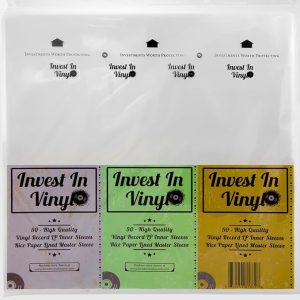
For collectors who are especially cautious about preserving the condition of older, fragile, or irreplaceable records, rice paper inner sleeves offer a more delicate approach than standard poly options. These sleeves focus on reducing friction and static in subtle ways that can matter over many years of handling.
The defining characteristic of rice paper sleeves is how gently they interact with the record surface. The material is thin and smooth, which helps limit resistance when inserting or removing a record. Over time, repeated handling with rough or abrasive inner surfaces can introduce light marks or pull fine particles into the grooves. Rice paper sleeves help reduce that risk, particularly with older pressings that may already show signs of wear.
Static control is another area where these sleeves perform well. Rice paper tends to generate less static during handling, which helps reduce dust attraction. This can make a noticeable difference in dry environments where static buildup is more persistent and where dust control becomes harder to manage.
Because the material is thinner, these sleeves feel lighter and more flexible than many poly-based options. This makes reinserting records easier in tight jackets, but it also means they require slightly more care during handling. They are not designed for rough or hurried use.
These sleeves are best suited for collections where preservation takes priority over convenience. Vintage pressings, audiophile releases, and sentimental records all benefit from the lower friction and reduced static these sleeves provide. They may not be the most durable choice for heavy rotation, but for careful long-term storage, they are a thoughtful option.
Final Thoughts
Inner sleeves are not the most visible part of a vinyl collection, but they influence how records age more than many accessories that receive far more attention. Because sleeves come into contact with the record surface every time an album is played or stored, small differences in material, static control, and fit accumulate over years of use.
There is no single inner sleeve that works best for every collection. Some collectors want an affordable upgrade that replaces paper sleeves across dozens of records. Others focus on minimizing friction and static as much as possible for older or irreplaceable pressings. The right choice depends on how often records are handled, the environment they are stored in, and how cautious you want to be with long-term wear.
What matters most is moving away from aging paper sleeves that shed dust and increase friction. Even modest upgrades can improve handling, reduce static buildup, and make playback feel more consistent over time. Once those quiet sources of wear are removed, maintaining a collection becomes much easier.
Choosing inner sleeves is less about premium branding and more about matching materials to real-world use. If the sleeves allow records to slide smoothly, limit dust attraction, and remain stable over time, they are doing their job and helping protect your collection.