
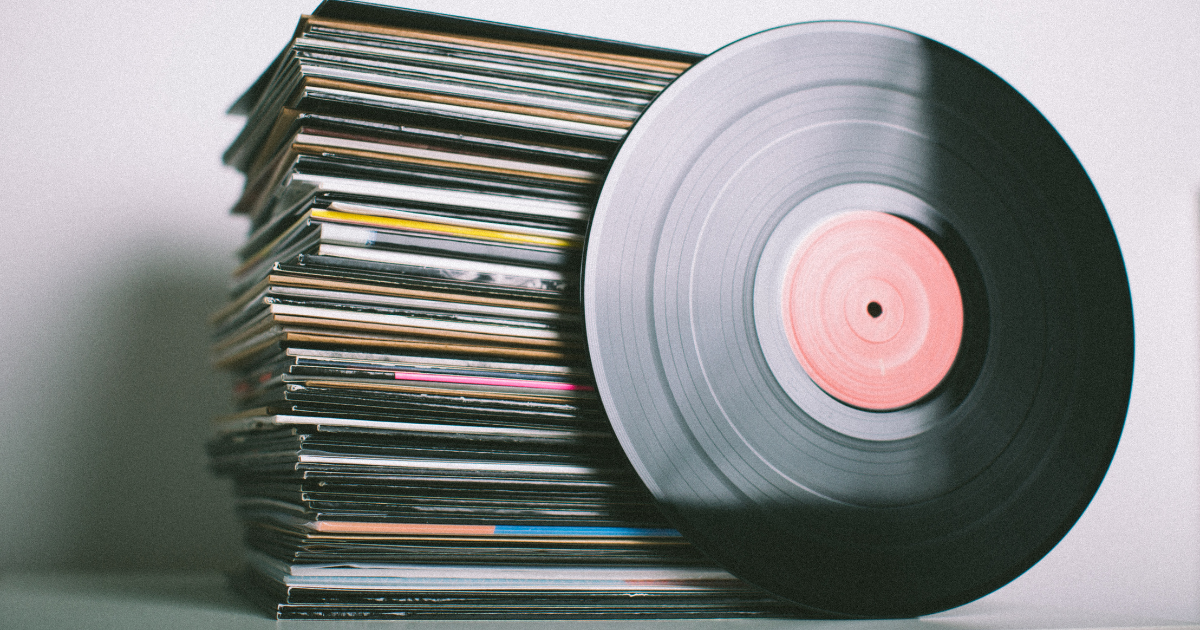
Record cleaning was one of the first parts of vinyl care where I learned that good intentions can cause real damage. Early on, I treated cleaning as a way to fix problems. If a record sounded noisy or looked dusty, I cleaned it. If it still sounded off, I cleaned it again. At the time, it felt responsible. In hindsight, it was unnecessary and occasionally counterproductive.
What changed my approach was noticing patterns over time. Records that were cleaned aggressively did not always age better than ones that were handled carefully and cleaned sparingly. In some cases, repeated wet cleaning introduced more handling risk than leaving a lightly dusty record alone. Brushes that felt harmless could drag debris across the grooves if used carelessly. Even stylus cleaning, when overdone, introduced its own risks.
Cleaning is not about making records perfect. It is about removing contaminants before they become abrasive and knowing when to stop. Dust, skin oils, and airborne debris slowly work their way into grooves and act like fine sandpaper during playback. At the same time, unnecessary cleaning increases friction, handling stress, and exposure to moisture.
This guide is written for collectors who want their records to age well, not just sound clean today. The goal is not constant intervention. It is choosing tools that reduce risk, match realistic cleaning habits, and support long-term care rather than quick fixes. When cleaning tools are used deliberately and sparingly, they help protect grooves instead of slowly wearing them down.
Quick Recommendations
If you want a clear starting point without turning record cleaning into a full-time hobby, these tools cover the most practical cleaning needs. Each option below focuses on reducing risk, controlling frequency, and supporting long-term vinyl care rather than aggressive restoration.
Best Overall Record Cleaning System | HumminGuru Ultrasonic Vinyl Record Cleaner
A controlled, hands-off way to deep clean records when they truly need it. Best for collectors who want thorough cleaning without repeated manual handling.
Best Manual Washer for Routine Cleaning | HumminGuru EZ Record Washer
A simpler wet-cleaning option that works well for occasional maintenance without the complexity or cost of ultrasonic systems.
Best Stylus-Specific Cleaning Tool | Humminguru S-DUO Pro Ultrasonic Stylus Cleaner and Cartridge
Designed for precise stylus cleaning with minimal physical contact. Useful for reducing debris buildup without risking cantilever damage.
Best All-in-One Starter Kit | Boundless Audio Vinyl Record Cleaning Kit
A balanced set of tools for basic cleaning tasks. A good choice for collectors building a conservative, low-risk cleaning routine.
Best Daily Dry Cleaning Brush | Big Fudge Vinyl 2-in-1 Wooden Record Cleaning Brush
Ideal for light, dry cleaning before playback. Helps remove surface dust without introducing moisture.
Best Simple Stylus Cleaner | Hudson Hi-Fi Turntable Stylus Cleaner
A straightforward option for keeping a stylus free of debris between deeper cleanings.
Best Cleaning Fluid for Controlled Wet Cleaning | Boundless Audio Record Cleaner Solution
A dedicated fluid for careful wet cleaning when paired with appropriate tools and restraint.
Buyer Education: Choosing Record Cleaning Tools for Long-Term Care
Cleaning tools matter because every cleaning action involves contact with the record surface, the stylus, or both. While removing dirt is important, unnecessary or aggressive cleaning can introduce its own risks. Understanding when to clean, how often to clean, and which tools match those habits is the foundation of long-term vinyl care.
Why Dust and Debris Cause Long-Term Groove Damage
Dust and debris are not just cosmetic problems. Fine particles settle into the grooves and act as abrasives during playback. Each pass of the stylus can drag those particles along the groove walls, slowly increasing wear and surface noise. This process is gradual, which is why it often goes unnoticed until playback quality changes. A deeper explanation of this cumulative effect is covered in How Dust and Debris Cause Long-Term Groove Damage.
Removing loose debris before it becomes embedded is one of the safest forms of record care. This is where gentle dry cleaning tools play an important role.
Dry Cleaning vs Wet Cleaning
Dry cleaning and wet cleaning serve different purposes, and using one when the other is more appropriate can create problems. Dry cleaning is best for routine maintenance. Light brushes and controlled passes remove surface dust before playback without introducing moisture or excessive handling.
Wet cleaning is more effective for records with visible grime, residue, or contamination that dry tools cannot remove. However, it should be used sparingly. Repeated wet cleaning increases handling time and exposes the record to moisture, which can be harmful if done improperly. Choosing the right approach is discussed in detail in Dry Cleaning vs Wet Cleaning Vinyl Records: When Each Is Appropriate.
How Often Records Should Be Cleaned
More cleaning does not equal better care. Records that are cleaned too frequently face increased handling risk and unnecessary contact with tools and fluids. In many cases, a light dry cleaning before playback and occasional deeper cleaning is enough.
Cleaning frequency should match how often records are played and the environment they are stored in. Dusty rooms, pets, and static-prone conditions may require more attention, while well-sleeved records stored properly need far less intervention. How Often Should Vinyl Records Be Cleaned? helps set realistic expectations for maintenance without overcleaning.
Matching Tools to Realistic Habits
The safest cleaning tools are the ones that align with how you actually use your records. Ultrasonic systems reduce manual contact but are best reserved for deeper cleaning sessions. Manual washers and fluids offer control but require restraint. Brushes and stylus cleaners are most effective when used lightly and consistently rather than aggressively.
The goal is not to clean every record the same way. It is to remove contaminants before they cause damage while minimizing unnecessary handling. When cleaning tools are chosen with that mindset, they support long-term vinyl care instead of quietly accelerating wear.
Product Reviews: Record Cleaning Tools
Best Overall Record Cleaning System
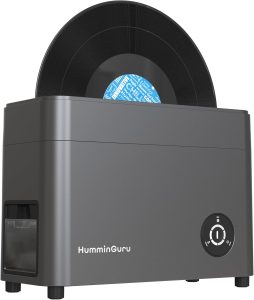
The HumminGuru ultrasonic cleaner is best understood as a tool for controlled, low-contact deep cleaning rather than something meant for frequent or routine use. Its biggest advantage is that it removes contaminants from deep within the grooves without requiring repeated manual handling, brushing, or pressure on the record surface.
Ultrasonic cleaning works by using high-frequency sound waves in a water bath to loosen and lift debris that brushes and cloths often miss. In practical terms, this means grime, residue, and fine particles can be removed without dragging them across the grooves. For records that have visible buildup, audible noise that dry cleaning does not resolve, or secondhand finds of unknown condition, this approach reduces the risk of abrasive contact.
One of the most important benefits of the HumminGuru system is consistency. Manual cleaning varies with technique, pressure, and patience. Ultrasonic cleaning removes much of that variability. Records are cleaned the same way each time, which lowers the chance of accidental damage caused by uneven pressure or aggressive brushing. That consistency makes it easier to reserve deep cleaning for when it is actually needed.
The system is also relatively hands-off once a cycle starts. This reduces handling time, which is often overlooked as a risk factor. Fewer insertions, fewer wipes, and less manipulation of the record edge all add up to safer long-term care.
That said, this is not a tool for constant use. Ultrasonic cleaning should be treated as periodic maintenance rather than routine cleaning. Using it too frequently offers diminishing returns and increases exposure to moisture without meaningful benefit. It also requires attention to proper drying and water quality to avoid residue.
The HumminGuru ultrasonic cleaner is best for collectors who want a reliable way to deep clean records without relying on repeated manual techniques. It makes the most sense for larger collections, secondhand records, or situations where careful restoration is needed without increasing handling risk. Used sparingly and thoughtfully, it supports long-term groove preservation rather than replacing good day-to-day habits.
Best Manual Washer for Routine Cleaning
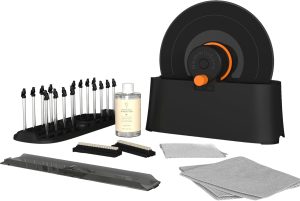
The HumminGuru EZ Record Washer is a practical middle ground between dry-clean-only tools and full ultrasonic systems. It uses a manual washer basin with a gentle cleaning solution to remove surface debris and light buildup from grooves without putting excessive pressure on the record surface. That makes it a sensible choice for routine maintenance when dry cleaning is not enough but you are not ready for an ultrasonic session.
One of the key strengths of the EZ Record Washer is control. Unlike brushes and cloths that require steady hands and consistent pressure, this system holds the record in place while the cleaning fluid does its work. This minimizes the risk of uneven contact that can drag particles along the grooves. It also helps reduce handling time, which is often an overlooked contributor to long-term record wear.
The cleaning cycle itself is straightforward. A few rotations through the fluid usually clear visible surface debris, light residue, and airborne dust that accumulates over time. Because this process is simpler than setting up an ultrasonic cleaner, it encourages occasional use without the intimidation factor that some deep-cleaning tools bring. Most collectors find themselves using this washer for periodic upkeep rather than every play.
Another benefit is that it integrates easily with a cleaning routine that includes dry brushes. Using a dry brush before and after a manual wash helps remove loose particles first and then clear any remaining moisture or residue, lowering the chance of buildup between plays.
That said, manual washers are not perfect. They rely on proper technique and patience. Too much solution, aggressive wringing, or hurried drying can introduce handling risks. The key is restraint and intention: use when a record shows signs of light contamination, not out of habit.
The HumminGuru EZ Record Washer is best for collectors who want an accessible wet-cleaning option that sits between everyday dry brushing and deeper ultrasonic cleaning. When used thoughtfully and sparingly, it supports long-term groove care without requiring complex equipment or excessive handling.
Best Stylus-Specific Cleaning Tool
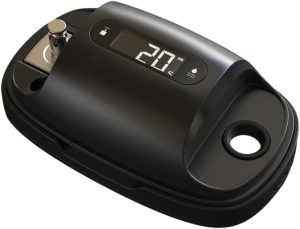
Keeping the stylus clean is just as important as caring for the record surface itself. Debris that adheres to the stylus can transfer back to grooves on subsequent plays, and buildup on the stylus can affect tracking accuracy and tonal detail over time. The Humminguru S-DUO Pro ultrasonic stylus cleaner is designed to address this task with minimal physical contact, reducing the risk of inadvertent damage that comes with aggressive brushing.
Ultrasonic stylus cleaning uses high-frequency vibrations in a gentle liquid bath to dislodge particles that cling to the stylus tip and cantilever. Because the stylus itself is small and delicate, minimizing direct mechanical contact during cleaning helps preserve cantilever alignment and jewel integrity. This makes ultrasonic cleaning especially appealing for cartridges that are used frequently or in dusty environments.
This model includes a purpose-built carrier for the stylus and cartridge that stabilizes the assembly during cleaning, which is important for reducing handling risk. Fewer manual manipulations, stable positioning, and controlled exposure to the cleaning fluid all contribute to safer stylus maintenance compared with some conventional brush-based stylus cleaners.
At the same time, ultrasonic stylus cleaning remains a periodic task. It is not something to do before every play. Overcleaning with any method can expose the stylus to unnecessary fluid or handling stress, so ultrasonic use is best reserved for when there are audible signs of debris or when the stylus has accumulated dust over many plays.
The Humminguru S-DUO Pro works well as part of a balanced maintenance routine in which light dry tools and careful handling help keep dust at bay between deeper cleanings. For collectors with high-frequency play habits, dusty environments, or precision cartridges, it offers a cleaning method that is both thorough and gentle.
In short, this tool is best for collectors who view stylus cleaning as a critical part of overall care but want to reduce the risk that comes with overly aggressive contact. When used sparingly and with good technique, it supports long-term performance without introducing undue wear.
Best All-in-One Starter Kit
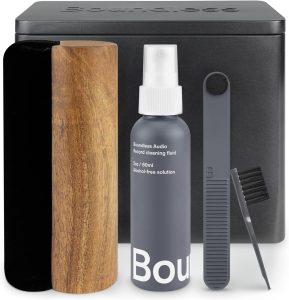
For collectors who want a balanced cleaning solution without investing in separate specialist tools right away, the Boundless Audio Vinyl Record Cleaning Kit offers a practical set of essentials that covers light to moderate maintenance needs. This type of kit is most useful as part of a routine care plan rather than a deep-restoration approach.
What sets this kit apart from single-purpose tools is that it brings together the basics you will reach for most often. It typically includes components for both dry and wet stages of cleaning, such as a gentle cleaning brush and a fair-quality cleaning fluid. That combination makes it easier to remove surface dust before play and address light residue afterward.
The included cleaning brush is especially helpful for removing loose particles that settle on the vinyl surface between plays, which if left unaddressed can act like fine grit during stylus tracking. Removing that debris before handling and playback reduces the chance of pushing particles further into the grooves. Because the brush works without fluid, it introduces no moisture risk and is safe for frequent use.
The accompanying fluid is designed for controlled wet cleaning when needed, such as when a record shows signs of buildup that dry brushing cannot remove. Using wet cleaning sparingly and in combination with dry tools matches a conservative care strategy where tools are used when they serve a clear purpose, not just by habit.
Ease of use is one of this kit’s strengths. Many collectors find that having the core tools in one place encourages good habits without overwhelming technique. The kit is approachable for beginners yet functional enough for seasoned listeners who need straightforward maintenance tools.
That said, this is not a deep-cleaning system. It is most effective for routine care and moderate cleaning tasks rather than heavy contamination or secondhand records with heavy buildup. Used thoughtfully as part of a wider care routine, the Boundless Audio Vinyl Record Cleaning Kit helps maintain playback surfaces in a way that supports long-term groove health.
Best Daily Dry Cleaning Brush
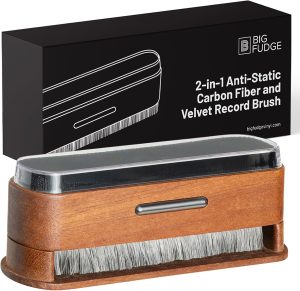
One of the simplest and most effective cleaning tools you will reach for most often is a dry cleaning brush. These tools are designed to remove loose surface dust and debris before playback without introducing moisture or additional handling stress. The Big Fudge 2-in-1 wooden brush pairs a traditional soft-bristled brush with a convenient anti-static wipe feature, making it a practical daily tool for safe vinyl care.
Surface dust is more than cosmetic. Even small particles can act like microscopic abrasives when the stylus tracks through the grooves, slowly increasing wear. Removing that loose debris before you play a record reduces the chance of those particles being pushed deeper into the groove walls. Dry brushes do this job without water, fluid, or extra handling time, which lowers the risk of unintentional harm.
The wooden handle on this brush provides a comfortable grip that encourages consistent use, and the soft bristles are gentle enough to lift surface dust without scratching. The anti-static wipe further helps by reducing static charge that attracts airborne particles. Less static means fewer loose particles being drawn toward the record surface in the first place, which complements the brush’s mechanical cleaning action.
This type of brush is not a solution for heavy contamination or sticky residue, and it is not meant to replace wet cleaning tools when those are appropriate. Instead, it fits into a conservative, preventive care routine where light dry cleaning before listening keeps records in better condition between occasional deeper cleanings.
For collectors who play records regularly, a daily dry cleaning brush is one of the lowest-risk tools you can use to maintain grooves over time. It removes loose debris efficiently and supports long-term care habits without adding unnecessary handling or moisture exposure.
Best Simple Stylus Cleaner
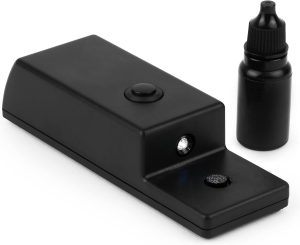
Keeping the stylus clean is a small task that pays dividends over time. Even tiny particles on the stylus can transfer back into grooves during playback and subtly affect tracking and sound quality. A simple stylus cleaner like this one from Hudson Hi-Fi gives you an easy way to remove debris between deeper cleaning sessions while minimizing risk to the delicate cantilever and tip.
This tool is designed to remove dust and tiny particles from the stylus using a gentle contact method that avoids unnecessary force or pressure. It comes with a soft pad that captures debris when the stylus is carefully lowered onto it. Because it is simple and manual, it does not rely on fluids or ultrasonic action, which makes it useful for quick maintenance without risk of overcleaning.
This cleaner makes the most sense as part of a balanced regimen. Used lightly after several plays or when dust has visibly accumulated, it helps limit how much debris builds up on the stylus surface. That in turn helps protect grooves on subsequent plays because fewer particles are dragged into the record surface.
As with all stylus cleaning tools, restraint is important. Overuse, improper contact angle, or sloppy handling can cause more harm than good. The goal is to remove debris with minimal contact rather than scrub the stylus clean. When used deliberately and sparingly, this cleaner supports safe long-term playback and helps you avoid buildup that can affect tonal clarity.
This tool is best for collectors who want a straightforward, low-risk way to keep the stylus free of dust between deeper cleanings. It is not a deep-cleaning solution, but it complements other tools that handle more thorough maintenance tasks.
Best Cleaning Fluid for Controlled Wet Cleaning
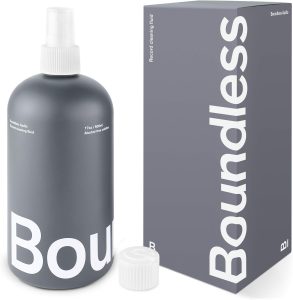
A dedicated cleaning fluid plays an important role in safe wet cleaning when surface debris or residue cannot be removed by dry tools alone. Boundless Audio’s Record Cleaner Solution is formulated to loosen and lift contaminants without leaving behind heavy residues, making it easier to remove particles that have settled into treaded grooves over time.
The key to using any wet cleaning fluid safely is restraint. Wet cleaning should be done only when dry tools are insufficient and when there are visible signs of buildup or audible noise that does not respond to dry brushing. When paired with a suitable tool, such as a manual washer or a controlled pad, this solution helps dissolve grime without aggressive scrubbing or pressure.
This fluid’s formulation is designed to balance cleaning power with gentleness. It helps address oily fingerprints, airborne film, and light residue that sometimes appear after repeated handling or storage in less-than-ideal conditions. These types of contaminants can act like fine grit during playback, increasing friction and wear. Removing them carefully supports long-term groove health without excessive handling.
It is important to avoid saturating records or using fluid without an appropriate brush or washer tool. Excessive fluid can leave moisture behind that attracts dust or, in rare cases, affect paper labels if not fully dried. Proper drying and gentle handling after wet cleaning ensure that moisture does not remain trapped in grooves or on surface areas.
This cleaning solution is best paired with tools designed for controlled wet cleaning rather than for everyday use. When used sparingly and in a planned maintenance routine, it helps remove residues that dry cleaning cannot address on its own, supporting safer and more effective long-term vinyl care.
Final Thoughts
Maintaining records for long-term care means knowing when and how to clean rather than cleaning on every play. Dust and debris cause gradual groove damage over repeated plays, but aggressive or unnecessary cleaning increases handling risk and moisture exposure. The best cleaning routines balance light dry tools with occasional controlled wet cleaning, and they match cleaning frequency to how often records are played and how dusty the environment is.
Choosing the right cleaning tools supports that balance. Ultrasonic systems offer deep cleaning when needed, manual washers help with moderate residue, dry brushes remove loose debris before playback, and dedicated fluids aid controlled wet cleaning when necessary. Simple stylus cleaners help keep the playback end free of buildup that can reintroduce debris into grooves.
Used thoughtfully and sparingly, these tools help maintain grooves without adding risk. Cleaning becomes part of a preventive care strategy focused on reducing long-term wear, not an impulse reaction to every speck of dust. That thoughtful restraint is what truly supports vinyl longevity.