
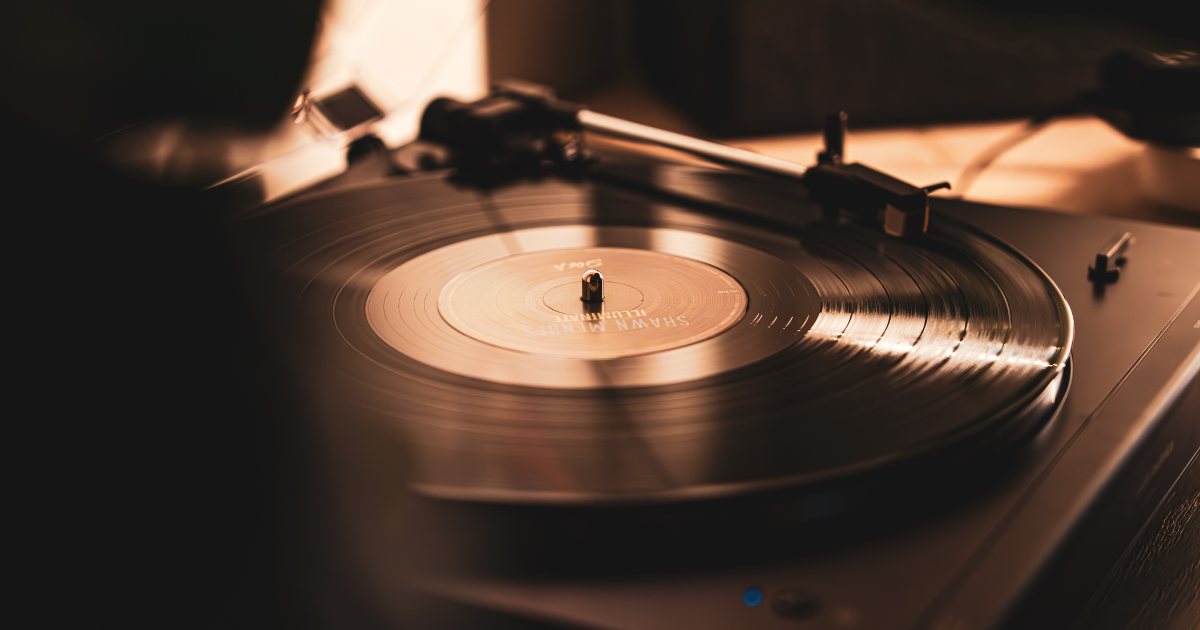
Stylus cleaning was one of those things I assumed I was doing right until I realized how easy it is to do too much. Early on, I treated stylus care as a quick fix. If playback sounded off or a record looked dusty, I cleaned the stylus immediately, sometimes multiple times in a single session. It felt responsible, but over time it became clear that frequent, reactive cleaning introduced its own risks.
What changed my approach was paying closer attention to patterns. A stylus that was cleaned aggressively did not always perform better than one that was cleaned lightly and consistently. In some cases, repeated contact from brushes or fluids caused more handling stress than leaving a lightly dusty stylus alone. I also noticed that stylus debris often reflected broader dust issues at the turntable level rather than a problem with the stylus itself.
A dirty stylus matters because it is the point of contact between your system and the record. Debris stuck to the tip does not just affect sound quality. It can be transferred back into the grooves and increase wear over time. At the same time, the stylus assembly is delicate, and unnecessary cleaning increases the risk of cantilever damage or misalignment.
This guide is written for collectors who want their records and cartridges to age well together. Stylus cleaning should be preventive and deliberate, not constant. The goal is to remove buildup before it becomes a problem while minimizing contact and handling. Choosing the right tools and knowing when to use them is what keeps stylus care supportive rather than destructive.
Quick Recommendations
If you want a sensible starting point without turning stylus care into a complicated routine, these tools cover the most practical needs. Each option below focuses on minimizing risk, limiting contact, and supporting long-term vinyl preservation rather than aggressive cleaning.
Best Overall Stylus Cleaning System | Humminguru S-DUO Pro Ultrasonic Stylus Cleaner and Cartridge
A low-contact ultrasonic option for removing stubborn debris with minimal physical handling. Best reserved for periodic deep cleaning rather than daily use.
Best All-in-One Care Kit | Hudson Hi-Fi Vinyl Record Cleaning Kit
A versatile kit that includes tools for both record surfaces and stylus care. Useful for collectors who want a balanced, conservative maintenance setup.
Best Combined Record and Stylus System | GrooveWasher Record & Stylus Care System
Designed to support a consistent cleaning routine for both records and stylus, with controlled use and simple technique.
Best Simple Stylus Cleaner | Hudson Hi-Fi Turntable Stylus Cleaner
A straightforward, low-risk option for removing light debris between deeper cleanings.
Best Liquid Stylus Cleaner | Audio-Technica AT607a Cartridge Stylus Cleaner
A traditional liquid-based cleaner intended for careful, occasional use when dry tools are not sufficient.
Buyer Education: Choosing Stylus Cleaning Tools for Vinyl Preservation
Stylus cleaning matters because the stylus sits at the intersection of record care and playback performance. Anything that builds up on the stylus tip does not stay isolated. Debris can be transferred back into the grooves, dragged along during playback, and contribute to gradual record wear. At the same time, the stylus assembly is one of the most fragile parts of a turntable system, so cleaning methods need to be chosen carefully.
When a Dirty Stylus Becomes a Risk
A lightly dusty stylus is common and not always an emergency. Problems begin when debris accumulates enough to affect tracking or when hardened residue forms on the tip. At that point, the stylus may ride improperly in the groove, increasing friction and potentially accelerating wear. This is why many collectors eventually ask Can a Dirty Stylus Damage Vinyl Records? once they notice recurring noise or mistracking.
The key is recognizing buildup early and addressing it gently, rather than waiting until aggressive cleaning feels necessary.
How Often Stylus Cleaning Is Actually Needed
Stylus cleaning frequency should match how often records are played and how controlled the listening environment is. In clean rooms with well-sleeved records, light stylus cleaning may only be needed occasionally. In dustier environments or setups with frequent playback, debris accumulates faster.
Cleaning too often can be as risky as not cleaning at all. Repeated contact from brushes or fluids increases handling stress and raises the chance of accidental cantilever damage. How Often Should You Clean a Turntable Stylus? provides a realistic framework for balancing maintenance without overdoing it.
Mechanical, Liquid, and Ultrasonic Cleaning Methods
Stylus cleaning tools generally fall into three categories. Mechanical cleaners rely on light physical contact to lift debris. These are useful for routine maintenance when used gently and sparingly. Liquid cleaners dissolve residue but require careful application to avoid fluid migration along the cantilever.
Ultrasonic cleaners remove debris through vibration rather than brushing, which reduces physical contact. However, they are best reserved for periodic deep cleaning rather than daily use. No method is inherently safe or unsafe on its own. The risk comes from frequency, technique, and lack of restraint.
Reducing Debris Before It Reaches the Stylus
Stylus care does not start at the stylus. Dust on records and turntable surfaces is the primary source of stylus contamination. Keeping records clean and minimizing airborne dust around the turntable reduces how often stylus cleaning is needed in the first place. How to Prevent Dust Buildup on Turntables and Platters explains how environmental control and good habits reduce debris transfer at the source.
Choosing stylus cleaning tools with long-term preservation in mind means favoring methods that remove buildup while minimizing contact. When cleaning is deliberate and occasional rather than reactive, stylus care becomes a protective habit rather than a risk factor.
Product Reviews: Stylus Cleaning Tools
Best Ultrasonic Stylus Cleaner
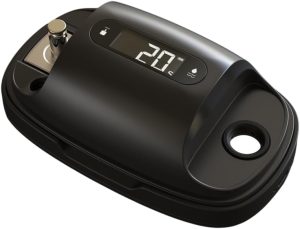
The Humminguru S-DUO Pro is best thought of as a precision tool for occasional, controlled stylus cleaning rather than something meant for frequent use. Its main advantage is that it removes debris from the stylus tip using ultrasonic vibration instead of physical brushing, which significantly reduces the amount of direct contact with the cantilever and diamond.
Stylus contamination often includes hardened dust, residue from record surfaces, and microscopic debris that clings tightly to the tip. Traditional brushes can struggle with this kind of buildup without applying pressure, which increases risk. Ultrasonic cleaning loosens and lifts particles through vibration, allowing debris to detach without scraping or dragging along the stylus surface.
One of the strengths of the S-DUO Pro is its stabilization system. The cartridge is held in a fixed position during cleaning, which minimizes handling errors and reduces the chance of accidental cantilever deflection. This controlled setup is especially valuable for cartridges with fine cantilevers or advanced stylus profiles, where even small mistakes can be costly.
Because ultrasonic stylus cleaning is very effective, restraint is important. This tool is best reserved for periodic deep cleaning, such as after extended listening sessions, noticeable debris buildup, or when sound quality changes in a way that lighter methods do not resolve. Using ultrasonic cleaning too frequently provides little added benefit and increases unnecessary exposure to moisture.
The Humminguru S-DUO Pro is best suited for collectors who want a low-contact way to address stubborn stylus contamination without relying on repeated brushing or liquid application. When used sparingly and with good technique, it supports long-term stylus health and reduces the risk of groove damage caused by debris transfer.
Best All-in-One Care System
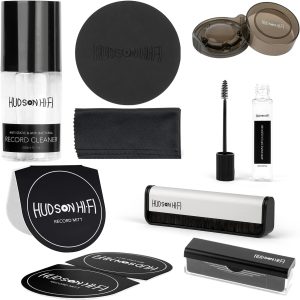
The Hudson Hi-Fi Vinyl Record Cleaning Kit is designed for collectors who want a balanced set of cleaning tools without having to buy multiple separate items piecemeal. While this kit is not exclusively a stylus cleaning system, it includes components that support both record surface care and stylus maintenance, which can help reduce debris exposure at the source.
One of the main strengths of this type of kit is accessibility. It typically includes a dry cleaning brush for routine dust removal and a liquid cleaner for occasional wet cleaning. Removing loose dust from record surfaces before playback directly affects how much debris ever reaches the stylus. That preventive effect lowers the overall burden on stylus cleaning tools because less material sticks to the stylus in the first place.
A balanced care kit also encourages good habits. When brushes, fluid, and pads are all part of the same routine, it becomes easier to approach cleaning in a thoughtful way rather than as a reaction to every speck of dust. This is important because stylus cleaning should be deliberate and infrequent, with dry tools used more often and deeper methods reserved for when there is clear buildup.
The inclusion of multiple tools means that this kit can serve as a central part of a maintenance regimen that supports both record and stylus health. It is not a deep ultrasonic system, and it is not dedicated solely to stylus cleaning, but it does offer an efficient way to manage sources of debris and reduce the amount of cleaning the stylus itself requires.
This kit is best for collectors who want a single, easy-to-grasp set of tools that help prevent debris buildup and support stylus care indirectly. When used with restraint and as part of a wider cleaning strategy, it encourages habits that contribute to safer long-term vinyl preservation.
Best Combined Record and Stylus System
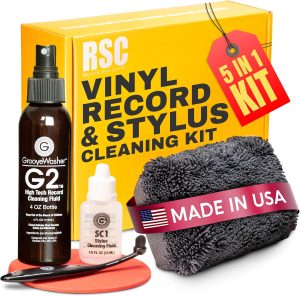
The GrooveWasher Record & Stylus Care System is designed for collectors who want a focused, practical solution that covers both light record cleaning and stylus maintenance without overwhelming complexity. It combines simple tools that help remove loose surface dust and stylus debris in a controlled way, making it a good fit for routine care rather than deep restoration.
One of the key strengths of this system is accessibility. The tools included are intuitive to use and do not require elaborate technique or setup, which encourages regular, safe maintenance. Dry tools in the system are ideal for removing the fine dust that naturally accumulates on records between plays. Removing this surface debris before playback reduces the amount of material that might otherwise transfer to the stylus or interfere with tracking.
Stylus tools in this system rely on gentle contact to lift particles from the tip. Because they do not require liquids or ultrasonic action, they reduce the risk of moisture exposure or over-handling delicate cantilevers. This is especially important for regular use, where the goal is to remove debris before it becomes embedded or hard enough to require more aggressive cleaning.
Another advantage of an integrated system like this is that it reinforces a balanced care approach. Rather than treating record and stylus cleaning as completely separate tasks, tools that manage both together help users think in terms of overall maintenance habits. This supports long-term vinyl preservation by reducing the frequency and severity of contamination events at both the record and stylus levels.
That said, this system is not a specialized tool for stubborn buildup or ultrasonic detail work. It is most effective when used as part of a broader care strategy that includes occasional deeper cleaning while relying primarily on light, controlled contact. For collectors who prioritize simplicity, consistency, and low-risk maintenance, the GrooveWasher Record & Stylus Care System offers a thoughtful blend of capability and ease of use.
Best Simple Stylus Cleaner
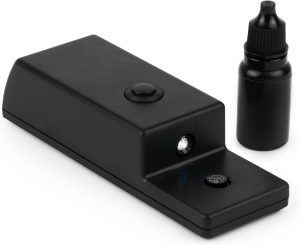
A stylus cleaner like this one from Hudson Hi-Fi is useful for light, frequent maintenance when debris has just begun to settle on the tip. Unlike deep-cleaning methods that use fluid or ultrasonic action, this tool relies on gentle contact to lift loose particles without exposing the stylus assembly to moisture or physical stress.
Stylus contamination typically starts with tiny airborne particles, fibers from record sleeves, and microscopic dust that clings to the diamond tip during playback. When this debris is left on the stylus, it can transfer back into grooves on subsequent plays or interfere with accurate tracking. Removing that debris with minimal contact helps reduce both playback noise and the risk of gradual groove damage.
What sets this tool apart is its simplicity. It does not require special solutions or complex handling techniques. Instead, the stylus is lowered gently onto a soft pad that captures debris. With care and a steady hand, this method allows you to remove surface contaminants without applying force along the cantilever, which is the delicate structure that holds the stylus.
This approach is most effective when used between deeper cleaning sessions or after several consecutive plays. It is not a substitute for periodic deeper cleaning when substantial buildup has developed, but it helps keep the stylus free of light debris before playback. Reducing debris accumulation at this stage lowers the overall burden on more involved tools and techniques.
The Hudson Hi-Fi Turntable Stylus Cleaner is best for collectors who want a low-risk, everyday tool for keeping the stylus free of loose particles. When used sparingly and with good technique, it helps support clearer playback and contributes to long-term vinyl care by interrupting the cycle in which debris builds and transfers back into the grooves.
Best Liquid Stylus Cleaner
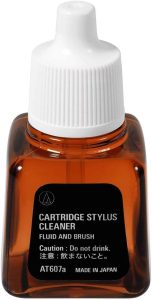
Using a liquid-based stylus cleaner can help remove residue that dry tools cannot lift, especially when particles have begun to adhere to the stylus tip after multiple plays. The Audio-Technica AT607a Cartridge Stylus Cleaner provides a controlled way to dissolve and remove that buildup with minimal direct pressure, which makes it useful for occasional maintenance as part of a thoughtful cleaning routine.
This type of cleaner works by applying a small amount of fluid to a soft brush or pad designed for stylus contact. The cleaning fluid helps dissolve oils, fine dust residue, and minute airborne particles that have bonded to the stylus over time. This can improve tracking and reduce background noise without excessive physical contact, which is the main risk with purely mechanical stylus tools.
When using any liquid cleaner, restraint is important. Too much fluid or careless application can expose the cantilever to moisture or leave residue in areas where it is difficult to remove. That is why this cleaner is best suited for occasional use when lighter methods like dry pads and simple stylus tools have not resolved audible noise or when a light film is visible at the tip.
Used as part of a balanced care strategy, this stylus cleaner helps address buildup that dry contact alone cannot tackle, while minimizing additional handling stress. Combining it with regular dry cleaning and dust prevention habits reduces the frequency with which intensive methods are needed.
This tool is best for collectors who already practice basic stylus and record surface care and want a measured way to address more persistent residues. When used sparingly and with careful technique, it supports ongoing playback clarity without introducing unnecessary wear or risk.
Final Thoughts
Stylus care plays a subtle but important role in long-term vinyl preservation. A clean stylus tracks more accurately, moves through grooves with less resistance, and reduces the chance that debris will be deposited back into the record surface. At the same time, the stylus is delicate, and cleaning should be done with restraint, with attention to technique and proper frequency.
A thoughtful cleaning strategy balances dry tools and occasional deeper methods. Ultrasonic systems help with stubborn debris without repeated mechanical contact. Simple contact cleaners are useful between plays. Liquid-based cleaners dissolve residue that dry tools cannot reach, but they should be used sparingly and carefully. Pairing stylus tools with dust prevention at the turntable level further lowers the overall burden on stylus care.
Used with intention, these tools help maintain playback clarity and contribute to better long-term preservation of both stylus and vinyl. Stylus cleaning is not about perfection or frequency. It is about removing buildup before it becomes harmful and doing so in a way that preserves the integrity of the stylus assembly itself.