
For a long time, I believed that record damage only came from obvious mistakes. Dropping a needle, mishandling a record, or playing something visibly dirty felt like the real risks. The idea that normal playback could quietly cause harm never crossed my mind.
That changed when I noticed a few records starting to sound dull in the same places over time. These were records I cleaned regularly and stored carefully. At first, I blamed pressing quality or age. It was only after closer inspection that I realized the common factor was the stylus itself. It was not visibly dirty, but it was carrying enough buildup to alter how it contacted the groove.
What made this unsettling was how subtle the process was. There was no sudden scratch or dramatic failure. The change happened gradually, play by play, until certain passages never quite sounded the same again. That experience reshaped how I think about stylus care and record wear.
This article looks at whether a dirty stylus can actually damage vinyl records, and if so, how that damage tends to occur. The focus is not on fear or worst-case scenarios, but on understanding realistic risks and how they develop over time so they can be avoided.
How a Stylus Interacts With a Vinyl Groove
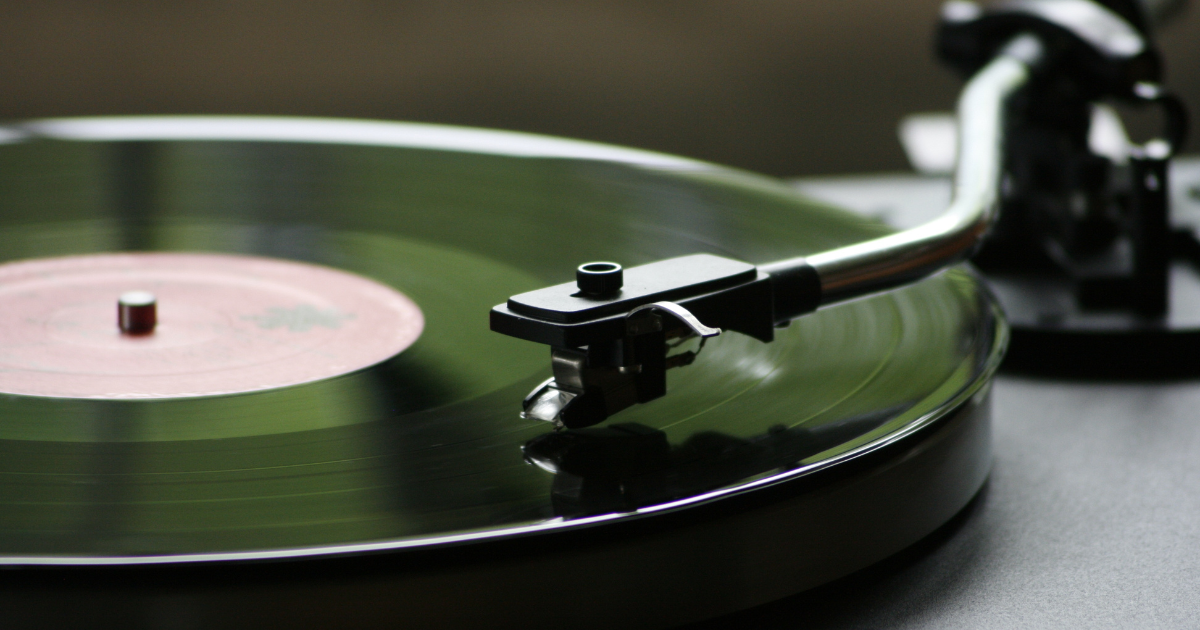
A stylus is designed to make extremely precise contact with the walls of a vinyl groove. During playback, it traces microscopic variations that represent sound, maintaining constant pressure while moving at a steady speed. When everything is clean and aligned, this interaction is controlled and predictable.
The contact area between the stylus tip and the groove walls is very small. This concentrates pressure into a tiny space, which is why accuracy matters so much. A clean stylus distributes that pressure evenly across the groove walls as intended, allowing the record to be played repeatedly without harm.
Any change to the stylus tip alters that balance. Even minor contamination changes how the stylus sits in the groove. Instead of contacting the groove walls cleanly, it may ride slightly higher, drag unevenly, or press more forcefully against one side. These shifts are subtle, but they affect every rotation of the record.
Because this interaction happens continuously during playback, small imperfections can have cumulative effects. A stylus that is not perfectly clean still plays records, but it does so under altered conditions that increase stress at the point of contact.
Understanding this mechanical relationship helps explain why stylus condition matters. The groove and stylus work as a matched system. When one side of that system is compromised, wear becomes more likely even if no obvious mistake is made.
What “Dirty” Actually Means in Stylus Terms
When people think of a dirty stylus, they often imagine visible clumps of dust or fibers. In reality, stylus contamination usually starts at a scale that is difficult to see without magnification.
Most buildup begins as fine dust, microscopic fibers, and residue transferred from records during playback. Static attraction pulls these particles toward the stylus tip, where friction and heat gradually compress them. Over time, this material hardens into a compact layer that clings tightly to the tip and along the cantilever.
This kind of buildup does not always look dramatic. A stylus can appear clean from a normal viewing distance while still carrying enough residue to affect tracking. In some cases, the tip may look slightly darkened or fuzzy under strong light, but the real problem is often at the contact point where visibility is limited.
There is also a difference between light debris and hardened residue. Light dust may come off easily with gentle cleaning and usually has minimal impact if addressed promptly. Hardened residue, on the other hand, alters the shape of the stylus tip and resists casual cleaning. This is the form most likely to contribute to wear if left in place.
Understanding what “dirty” actually means helps put risk into perspective. Damage is rarely caused by a single dusty play. It comes from repeated playback with a stylus that carries compacted buildup over time.
How a Dirty Stylus Causes Record Wear Over Time
Record wear caused by a dirty stylus is usually quiet and gradual. It does not announce itself with obvious scratches or immediate damage. Instead, it shows up as subtle loss of clarity and increased noise that builds slowly with repeated plays.
When debris accumulates on the stylus tip, it changes how the stylus contacts the groove walls. Rather than tracing the groove cleanly, the stylus drags along with compacted particles acting as a buffer between the tip and the vinyl. This increases friction and alters pressure distribution inside the groove.
That added friction leads to micro abrasion. The groove walls are not being carved or gouged, but they are being stressed more than intended. High frequency detail is usually affected first because those groove modulations are the smallest and most delicate. Once that detail is worn down, it cannot be restored through cleaning.
Another factor is uneven tracking. Buildup on one side of the stylus can cause it to ride slightly off center, placing more pressure on one groove wall than the other. Over time, this uneven contact accelerates localized wear that becomes audible as imbalance or distortion in certain passages.
What makes this process easy to miss is that it happens during normal listening. There is no moment where damage feels obvious. The record still plays, but each pass with a contaminated stylus increases the chance that wear becomes permanent.
This is why stylus care is preventative rather than reactive. Cleaning before buildup hardens preserves the stylus shape and maintains the intended contact between the stylus and the groove, reducing the risk of long-term damage.
Is the Damage Immediate or Gradual?
One of the most common fears around stylus contamination is the idea that a single play with a dirty stylus will instantly ruin a record. In practice, that is rarely how damage occurs.
Most stylus-related wear is gradual. A record played once or twice with light debris on the stylus is unlikely to suffer noticeable harm. The real risk comes from repetition. Each play with a contaminated stylus slightly alters the groove walls, and those changes accumulate over time. Because the process is incremental, it often goes unnoticed until certain passages no longer sound as clean as they once did.
Immediate damage tends to be associated with extreme situations, such as a stylus carrying hardened residue or debris large enough to interfere significantly with tracking. Even then, the effect is usually localized rather than catastrophic. The record does not suddenly become unplayable, but specific sections may lose clarity permanently.
Understanding this timeline helps separate preventable wear from unavoidable aging. Many issues can be addressed early through inspection and cleaning before they cross into irreversible territory. For a clearer breakdown of what can and cannot be fixed once wear has occurred, see What Vinyl Record Damage Is Permanent vs Preventable?
The takeaway is reassuring. Damage from a dirty stylus is not instant, but it is cumulative. Awareness and timely care matter far more than panic or overcorrection.
Environmental Factors That Increase Stylus-Related Risk
Stylus cleanliness does not exist in isolation. The surrounding environment plays a significant role in how quickly contamination forms and how much risk it poses during playback.
Dust levels are the most obvious factor. Rooms with heavy fabric use, pets, or frequent foot traffic introduce more airborne particles into the playback area. Even when records are cleaned, this dust settles onto platters, mats, and record surfaces between plays, eventually reaching the stylus.
Static increases risk as well. Dry indoor air, especially during seasonal heating or air conditioning, encourages static buildup on records and mats. Static actively pulls dust toward the stylus during playback, increasing how much debris accumulates with each play. This makes stylus contamination form faster and harder to remove.
Humidity swings add another layer. Rapid changes in humidity can increase static and affect how dust behaves in the air. Seasonal shifts often coincide with periods when stylus buildup seems to accelerate, even if listening habits remain unchanged. For a deeper look at how these fluctuations affect vinyl playback environments, see How Seasonal Humidity Changes Affect Vinyl Records
Placement matters too. Turntables positioned near vents, windows, or high-traffic areas are exposed to constant airflow that carries dust directly across the playback surface. Over time, this increases how often the stylus encounters debris.
These factors do not guarantee damage, but they raise the baseline risk. Recognizing when your environment contributes to faster buildup helps guide more attentive inspection and timely cleaning without turning maintenance into an obsession.
Why Some Records Show Damage Faster Than Others
Not all records respond to stylus contamination in the same way. Some show signs of wear more quickly, even when played under similar conditions. Understanding why helps explain why damage can seem inconsistent or unpredictable.
Pressing quality is one factor. Records with shallower or less precisely formed grooves leave less margin for error during playback. When a stylus carries debris, these grooves are more easily stressed, especially in passages with dense or high-frequency information.
Record condition also matters. Older records or those with prior wear already have compromised groove walls. Playing them with a dirty stylus compounds existing wear rather than starting from a clean baseline. This can make deterioration appear faster than expected.
Listening habits contribute as well. Favorite records that are played repeatedly accumulate wear more quickly simply because they experience more contact. If a stylus is contaminated, those repeated plays magnify the effect compared to records that are played occasionally.
There is also the issue of cleaning history. Records that were previously cleaned improperly or exposed to residue may transfer material to the stylus more readily. That residue then circulates back into the groove, accelerating wear on certain records more than others.
These variables explain why damage patterns are rarely uniform across a collection. Recognizing which records are more vulnerable allows for more mindful playback and inspection, especially during periods when stylus cleanliness is in question.
Preventing Stylus-Related Damage Without Obsessive Cleaning
Preventing damage from stylus contamination does not require constant intervention. In fact, overhandling often introduces new risks. The most effective approach is a combination of awareness, inspection, and upstream dust control.
Regular visual checks are the first line of defense. Taking a moment to inspect the stylus under good light before or after listening sessions catches buildup before it hardens. This allows cleaning to happen only when it is actually needed.
Cleaning intervals should be flexible. Rather than cleaning on a strict schedule, responding to visible debris or audible changes keeps contact with the stylus purposeful and minimal. This reduces the risk of accidental damage caused by unnecessary handling.
Managing dust elsewhere in the system also reduces stylus contamination. Clean platters, mats, and records transfer less debris during playback. Environmental adjustments, such as improving placement and reducing airflow near the turntable, lower the amount of dust that ever reaches the stylus.
Finally, handling habits matter. Careful record placement, avoiding unnecessary contact with playing surfaces, and returning records to clean sleeves all limit the amount of material introduced into the playback chain.
This balanced approach keeps stylus care effective without turning it into a source of anxiety. Prevention works best when it is calm, consistent, and informed rather than constant.
How Stylus Care Fits Into Long-Term Vinyl Preservation
Stylus cleanliness is only one part of preserving a vinyl collection, but it plays a quiet and important role. Because the stylus touches every record during playback, its condition affects the entire collection over time rather than a single disc.
Good stylus care supports consistency. When the stylus tracks grooves accurately, records experience predictable, even wear. This makes other preservation efforts more effective because they are not undermined by repeated playback under compromised conditions.
Stylus care also complements broader habits. Proper storage, controlled environments, and thoughtful handling all reduce stress on records. When these practices work together, the stylus stays cleaner longer and records age more gracefully as a result.
For a broader perspective on habits that protect records across years of ownership, see Best Long-Term Habits for Preserving a Vinyl Record Collection
Seeing stylus maintenance as part of a system rather than an isolated task keeps preservation practical. It shifts the focus from avoiding mistakes to supporting long-term enjoyment of the collection.
Final Thoughts: Damage Is Rarely One Mistake
Damage caused by a dirty stylus is almost never the result of a single play. It develops quietly through repetition, small oversights, and gradual buildup. That is also what makes it preventable.
Awareness matters more than fear. Inspecting the stylus occasionally, responding to real signs of buildup, and managing dust elsewhere in the system greatly reduce risk without constant cleaning. When care is informed and measured, vinyl remains resilient.
The takeaway is reassuring. Vinyl records are not fragile in the sense of being easily ruined, but they do reward attention over time. A clean stylus, used thoughtfully, helps ensure records can be enjoyed for years without unnecessary wear.