
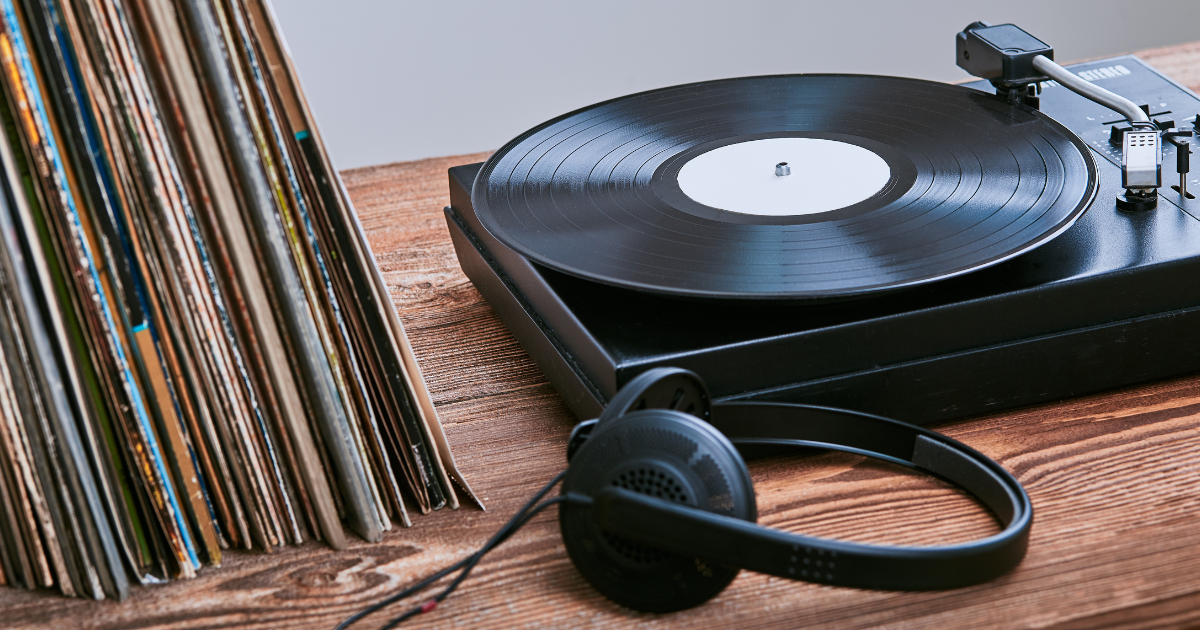
Turntables tend to get attention when they’re in use, but what happens when they’re sitting idle often gets overlooked. After living with a setup for a while, it becomes clear that how a turntable is stored between listening sessions matters just as much as how it’s used.
Most storage-related issues don’t show up immediately. A turntable can sit unused for weeks or months and still appear fine. Problems tend to surface later, when performance feels slightly off, parts don’t move as smoothly as expected, or dust and environmental exposure have quietly taken their toll. By that point, it’s easy to forget that storage conditions played a role.
Unlike records, turntables are mechanical and electronic devices. Bearings, belts, motors, and internal components all respond to their environment over time. Dust, humidity, and temperature fluctuations affect them differently than vinyl, which is why simply covering a turntable and forgetting about it isn’t always enough.
This article looks at how to store a turntable when it’s not in use, what environmental factors matter most, and how small storage habits help prevent issues from developing later. Proper storage isn’t about sealing equipment away. It’s about keeping conditions stable so a turntable is ready to perform when you return to it.
Why Proper Turntable Storage Matters
When a turntable isn’t in use, it’s still affected by its surroundings. Dust settles, humidity fluctuates, and materials slowly respond to those changes even when nothing appears to be happening. Over time, that quiet exposure can influence how well a turntable performs once it’s brought back into regular use.
Dust is one of the most obvious factors. Fine particles settle on platters, tonearms, bearings, and controls, and when a turntable is powered on again, that dust can interfere with smooth movement or get pulled into areas that are harder to clean. What starts as surface buildup can eventually affect mechanical tolerances.
Humidity is more subtle but often more damaging. Excess moisture can encourage corrosion on metal components, affect belt elasticity, and stress electronic parts. Even moderate humidity swings, when repeated over long periods, can shorten the lifespan of internal components without leaving obvious warning signs.
Idle time itself plays a role. Components that sit unused for long stretches can stiffen, dry out, or lose calibration more easily than those that are used occasionally. Proper storage doesn’t prevent aging entirely, but it slows the process by keeping conditions stable and predictable.
Storing a turntable thoughtfully helps preserve consistency. When environmental stress is reduced during downtime, the turntable is more likely to behave the same way every time it’s brought back into use, which means fewer surprises and less maintenance down the road.
The Role Of Dust Covers During Storage
Dust covers are often treated as a complete solution for turntable storage, but their role is more limited than many people assume. They help reduce surface dust settling on the platter, tonearm, and controls, but they don’t isolate a turntable from its environment.
A closed dust cover does a good job of blocking airborne particles during day-to-day downtime. For short periods between listening sessions, that protection is usually enough to keep dust from accumulating where it can interfere with movement or playback. In that sense, dust covers are helpful as a first line of defense.
Where dust covers fall short is environmental control. They don’t regulate humidity, temperature, or airflow. In some cases, they can even trap moisture underneath if the surrounding environment is humid or if the turntable was covered before it fully acclimated. This is why discussions like Does a Turntable Dust Cover Actually Protect Records? focus on what covers can realistically prevent and what they cannot.
Relying on a dust cover alone can create a false sense of security. While it limits visible dust, it doesn’t stop slow environmental effects that impact belts, bearings, and electronics over time. For longer periods of non-use, overall placement and room conditions matter more than whether the cover is closed.
Used appropriately, a dust cover is a useful accessory. It just shouldn’t be mistaken for comprehensive storage protection on its own.
How Humidity Affects Stored Turntables
Humidity has a quiet but persistent effect on turntables during storage. Even when a turntable isn’t powered on, moisture in the air interacts with metal, rubber, and electronic components in ways that can influence performance later.
Metal parts like bearings, spindles, and internal hardware are especially sensitive to prolonged moisture exposure. Elevated humidity increases the risk of corrosion and oxidation, which can affect smooth movement and introduce subtle noise or resistance over time. These changes often go unnoticed until the turntable is used again and doesn’t behave quite as smoothly as expected.
Rubber components, such as belts and isolation feet, also respond to humidity. Excess moisture can cause belts to stretch or lose elasticity, while very dry conditions can lead to hardening or cracking. Either extreme shortens component lifespan and can affect speed stability once the turntable is back in use.
Electronics are not immune either. Humidity fluctuations stress solder joints and internal circuits, especially in environments that swing between damp and dry conditions. This is why storage guidance often emphasizes maintaining a stable range rather than chasing absolute dryness. Broader recommendations around this balance are discussed in Ideal Humidity Levels for Vinyl Records and Turntables, where the goal is consistency over perfection.
Managing humidity during storage doesn’t require sealing a turntable away. It requires choosing an environment where moisture levels remain steady and within a safe range. When humidity is controlled, many long-term storage issues simply never develop.
Short-Term Storage vs Long-Term Storage
How you store a turntable should change based on how long it will sit unused. Leaving a turntable idle for a few days or a couple of weeks carries very different risks than storing it for months or longer.
For short-term storage, the goal is simply to reduce exposure. Keeping the turntable covered, placed away from direct sunlight, and in a stable room environment is usually enough. At this scale, there’s little need to disassemble anything or change how the turntable is set up. The focus is on keeping dust off and avoiding environmental swings while making it easy to return to regular use.
Long-term storage requires a bit more thought. Extended periods of inactivity allow humidity, temperature changes, and material aging to have a greater effect. Belts can lose elasticity, lubricants can settle, and dust has more time to migrate into small mechanical spaces. In these cases, minimizing environmental stress becomes more important than convenience.
For longer storage, placement matters more than accessibility. Choosing a location with stable temperature and humidity, away from exterior walls or damp areas, helps slow aging. Some owners also prefer to remove records from the platter and ensure the tonearm is secured so nothing shifts over time.
The key distinction is intention. Short-term storage is about pausing use. Long-term storage is about preservation. Adjusting storage habits to match that difference helps prevent problems that only appear after a turntable has been sitting unused for a long time.
Best Practices For Storing A Turntable Safely
Safe turntable storage is less about sealing equipment away and more about choosing stable conditions. A turntable stored in a calm, consistent environment tends to age far better than one protected by layers of covers in a space that fluctuates.
Placement is the first consideration. Store the turntable away from direct sunlight, heating vents, exterior walls, and areas with frequent airflow. These locations tend to experience the largest temperature and humidity swings, which place unnecessary stress on mechanical and electronic components over time.
Using a dust cover is helpful, but only when the surrounding environment is already appropriate. Covering a turntable in a damp or poorly ventilated space can trap moisture underneath. Before closing a cover for storage, make sure the turntable is dry, the room is well ventilated, and humidity levels are stable.
Avoid sealing a turntable in airtight containers or wrapping it tightly in plastic. While this might seem protective, it can trap moisture and prevent the equipment from acclimating naturally to the room. A breathable environment with controlled conditions is safer than isolation.
Finally, keep storage simple. The fewer adjustments required to return the turntable to use, the less handling it will need later. When a turntable can sit undisturbed in a stable environment, it’s far more likely to perform consistently when it’s time to listen again.
How Turntable Storage Fits Into Long-Term Vinyl Care
Turntable storage isn’t a separate concern from record care. It’s part of the same long-term system that determines how reliably everything works together over time. When storage habits are consistent, turntables require less adjustment, fewer repairs, and less intervention overall.
A well-stored turntable puts less stress on records, too. Smooth bearings, stable speed, and properly functioning components reduce playback issues that can lead to unnecessary troubleshooting or repeated handling. In that sense, storage helps preserve not just the equipment, but the listening experience itself.
Thinking about storage as preservation rather than protection helps keep habits simple. Instead of reacting to problems after they appear, stable storage conditions prevent many of them from developing in the first place. This approach aligns with broader care principles outlined in Best Long-Term Habits for Preserving a Vinyl Record Collection, where consistency and restraint matter more than constant adjustment.
When turntable storage supports the rest of the system, everything ages more predictably. Fewer surprises, fewer corrections, and more time spent listening instead of fixing. That’s the quiet benefit of treating storage as part of long-term vinyl care rather than an afterthought.
Final Thoughts
Storing a turntable properly when it’s not in use is mostly about creating stability. Dust covers, placement, and environmental control all play a role, but none of them work in isolation. The goal isn’t to seal a turntable away, but to keep it in conditions that don’t stress its components over time.
Most storage-related issues develop quietly. A turntable can look fine while subtle changes take place in belts, bearings, or electronics. By the time performance feels off, the cause often traces back to how the turntable was stored during periods of non-use rather than how it was operated.
The most effective storage habits are simple and consistent. Keep the environment stable, minimize exposure, and avoid unnecessary handling. When those basics are in place, turntables tend to return to use smoothly, without surprises or added maintenance.
Good storage doesn’t require perfection. It requires attention to the conditions that matter and the patience to let equipment rest undisturbed. Over time, that approach does more to protect a turntable than any single accessory or precaution ever could.